It's always been about fashion when we think of what we want to put on our feet. But what most of us don't realise is that there's a growing body of research that highlights the immense value of choosing the right footwear for our health and well-being.
Comfort shoes are not just a passing trend; they are backed by science, biomechanics, and medical insight. We'll dig in to the perks and advantages of wearing comfort shoes, drawing on what science has to say about how they affect our bodies, our daily lives, and even our long-term health.
The human foot is a marvel of engineering, made up of 26 bones, 33 joints, along with over 100 muscles, tendons, and ligaments. It is built and meant to absorb shock and maintain balance. It is responsible for allowing us to propel forward. However, when we wear shoes that don't provide adequate support, we disrupt this natural system. Research in podiatry has shown that poorly designed footwear corresponds to an array of issues, from bunions and plantar fasciitis to knee, hip, and back pain.
Comfort shoes are designed to align with the natural biomechanics of the foot. They provide cushioning, arch support, and stability, which reduces strain on the musculoskeletal system. This is not just about feeling good in the moment; it’s about preventing long-term damage. Studies have demonstrated that supportive footwear can reduce the risk of overuse injuries, particularly in women, who are more prone to foot problems due to both biological and cultural factors, such as pregnancy and the popularity of high heels.
Walking may seem simple, but it is a complex process involving coordinated movements across the entire body. Each step generates forces equivalent to 1.2 times our body weight, and when running, that force can double or triple. Without proper footwear, these forces can cause microtrauma to the joints and soft tissues.
Comfort shoes are engineered to absorb and redistribute these forces. Their cushioned midsoles reduce impact on the heel and forefoot, while their structured insoles support the arch and encourage proper alignment. This reduces pronation (rolling inwards of the foot) and supination (rolling outwards), both of which can lead to injuries if left unchecked.
Medical research has also highlighted the importance of footwear in occupational health. Professions that require long hours of standing—such as nursing, teaching, and retail—show higher incidences of musculoskeletal disorders. Wearing comfort shoes in these settings has been linked to reduced fatigue, fewer injuries, and improved overall wellbeing.
Women are disproportionately affected by foot problems. There's sufficient research that shows that women are twice as likely as men to develop bunions, as well as issues like plantar fasciitis and Morton's neuroma are also more common among them. This is partly due to footwear choices, with narrow, high-heeled shoes placing unnatural pressure on the forefoot.
Comfort shoes, with women's needs in mind, address those specific issues by way of adding better cushioning, lower heel drops, and wider toe boxes. For women who are pregnant, comfort shoes can also help alleviate the additional strain placed on the feet and lower back due to weight gain and hormonal changes that loosen ligaments.
There's no disputing the science here. As long as footwear puts a premium on comfort and support, there always will be a difference in women's health - difference for the better. The decision to opt for comfort shoes over fashion-centric shoes means minimising the risk of chronic pain and maintaining mobility well into later life.

Medical professionals fully acknowledge the value of footwear in both prevention and treatment. Case in point: podiatrists are always seen prescribing orthotics for correcting gait abnormalities. But that's not enough. It's common practice to pair it with supportive shoes. Comfort shoes are often recommended for patients recovering from injuries, surgeries, or conditions such as diabetes, where foot health is critical.
Diabetic patients, for example, are prone to poor circulation and at risk of neuropathy. Both can lead to ulcers and infections. Specialised comfort shoes with seamless interiors, extra depth, and cushioned soles help reduce pressure points and protect vulnerable feet. Similarly, patients with arthritis benefit from footwear that reduces joint stress and provides stability.
A considerable part of the medical community sees comfort shoes as no longer luxurious. They're necessary for the principle of mobility as well as preventing complications. This shift epitomises a broader understanding of how integral footwear is to overall health.
It’s not just the body that benefits from supportive footwear—the mind does too. Research in occupational psychology has shown that physical discomfort can significantly reduce concentration, productivity, and mood. When your feet hurt, it’s difficult to focus on anything else.
Comfort shoes contribute to psychological wellbeing by reducing pain and fatigue, which in turn enhances focus and performance. Athletes have long understood the connection between footwear and mental state, with studies showing that wearing the right shoes can improve confidence and reduce perceived exertion. For everyday wearers, the same principle applies: when your feet feel good, you feel more capable and energised.
This psychological dimension is particularly important in professional environments. Workers who spend long hours on their feet—whether in healthcare, hospitality, or retail—report higher job satisfaction and lower stress levels when wearing supportive footwear. Comfort shoes, therefore, play a role in physical health as well as mental resilience.

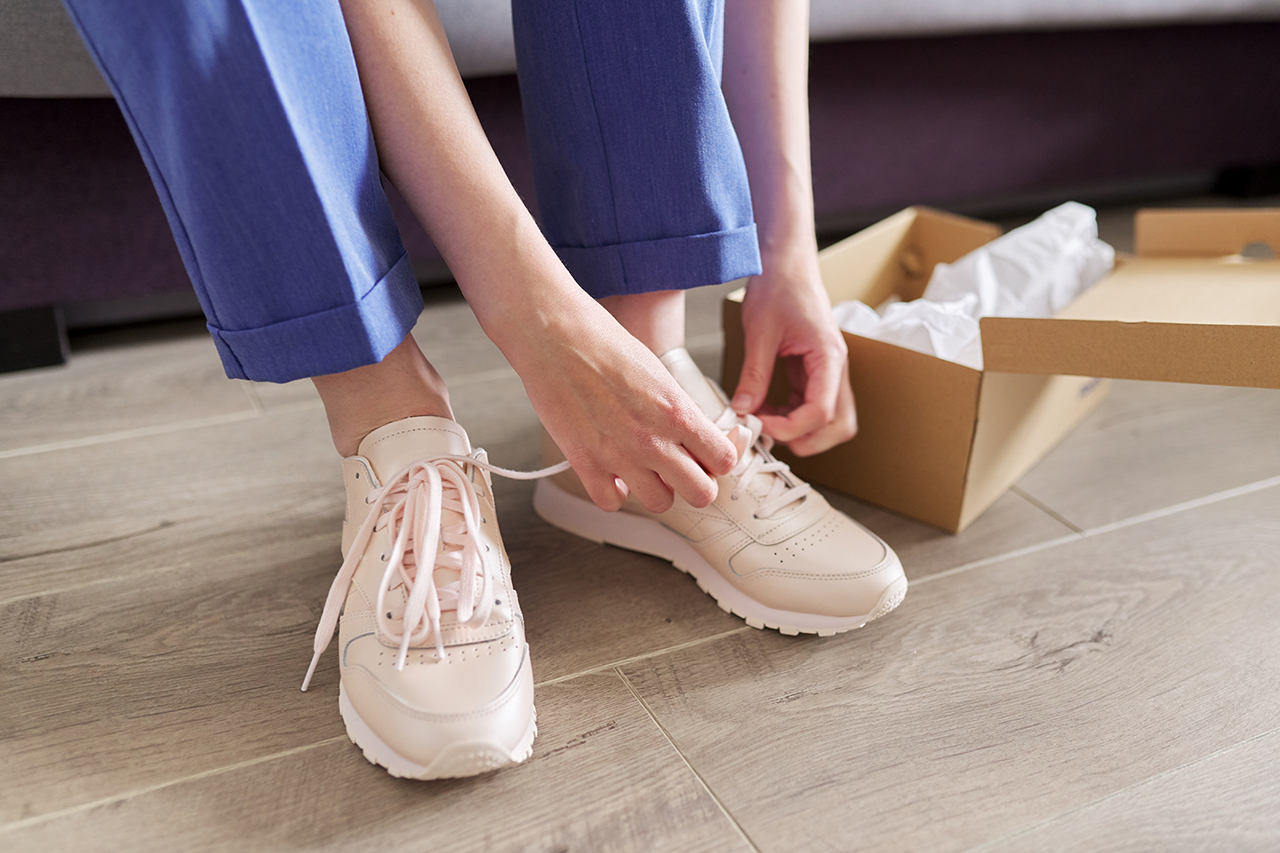
One of the misconceptions about comfort shoes is that they are limited to bulky, unattractive designs. Advances in materials and design have expanded the range of options, making it possible to find supportive footwear in almost any style.
Flats, for example, are a staple in many womens wardrobes, but traditional designs often lack arch support and cushioning. Modern comfort shoes in flat styles incorporate contoured insoles and shock-absorbing soles, making them both stylish and supportive.
Sneakers have also evolved beyond athletic use to become everyday essentials. Comfort sneakers combine breathable materials, ergonomic soles, and lightweight construction. These attributes make them ideal for both casual wear and long days on your feet.
Sandals, once notorious for offering little support, are now available in comfort-focused designs with adjustable straps, cushioned footbeds, and durable outsoles. These comfort sandals are particularly beneficial in warmer climates, where breathability is essential.
By expanding into diverse categories such as flats, sneakers, and sandals, comfort shoes have become accessible to a wider audience, proving that style and science can coexist.
While comfort shoes may come with a higher price tag than fast-fashion alternatives, they often prove more economical in the long run. Poorly made shoes wear out quickly, leading to repeated purchases and, more importantly, potential medical costs from injuries or chronic pain.
Investing in premium quality footwear is an investment in health. Studies in health economics have shown that preventative measures, such as wearing supportive shoes, reduce long-term healthcare costs by lowering the incidence of musculoskeletal disorders.
For consumers, this means that shopping for comfort shoes is not merely about immediate comfort but also about long-term savings. Many retailers now offer seasonal sale events, making it easier to access high-quality footwear at reduced prices. By choosing wisely when you shop, you can balance affordability with the benefits of scientifically designed footwear.

The evidence is clear: comfort shoes are more than just a fashion choice. They are backed by science, too, offering tangible benefits for physical health, psychological wellbeing, and even economic savings. From minimising the risk of injury to boosting daily performance, the advantages of supportive footwear are undeniable.
For women, in particular, the shift towards comfort-focused designs represents a significant step forward in addressing long-standing health disparities caused by restrictive and unsupportive shoes. With options ranging from flats and sneakers to sandals, there is now a comfort shoe for every occasion.
As research continues to highlight the importance of proper footwear, the message is simple: investing in comfort shoes is investing in yourself. Whether you’re shopping during a seasonal sale, seeking medical advice, or simply looking for everyday comfort, the science supports the choice. The future of footwear is not just about looking good—it’s about feeling good, moving well, and living healthier lives.
Your daily journal of shoe news, trends, and releases.

We’re here to make shopping simple, stylish, and exciting.