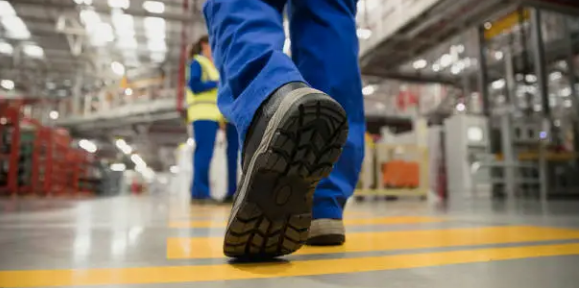
In Australian hospitality and healthcare workplaces, employees can spend hours on their feet while dealing with spills, wet floors and constant movement. Choosing the right slip-resistant shoes is therefore about more than comfort—it is an important part of workplace safety. From restaurant kitchens and cafés to hospitals, aged-care facilities, and medical centres, reliable footwear can help workers stay stable on potentially slippery surfaces. The best options combine dependable traction, supportive construction, and all-day comfort while also meeting the requirements of the workplace’s WHS procedures.
Why Slip Resistant Shoes Matter at Work
Hospitality and healthcare environments have different demands, but both can expose workers to slip hazards. Hospitality staff may encounter water, grease, food and cleaning products, while healthcare workers regularly move across polished floors and areas that may have been recently cleaned.
Quality slip-resistant work shoes use outsole patterns and rubber compounds that provide better grip than ordinary casual footwear. However, no shoe can eliminate every workplace hazard. Use good footwear alongside proper cleaning, spill management, and workplace safety procedures.
What to Look For
When comparing work footwear, consider these practical features:
● Slip-resistant outsoles: Look for footwear specifically designed and tested for slip resistance.
● Secure fit: Shoes should hold the heel and foot firmly without causing pressure points.
● Cushioning: Adequate midsole support can make long shifts more comfortable.
● Durable construction: Hospitality and healthcare shoes need to withstand frequent daily use.
● Easy cleaning: Smooth or wipe-clean materials can be useful in busy workplaces.
● Suitable coverage: Closed-in shoes may be appropriate where workplace hazards require additional foot protection.
Choosing Shoes for Australian Hospitality
Restaurant, café, catering and commercial kitchen workers often need non-slip hospitality shoes that can handle demanding shifts. Grease and liquid spills can create particularly challenging conditions, making outsole traction a key consideration.
A practical hospitality shoe should also be comfortable enough for prolonged standing and walking. Lightweight construction, breathable materials and adequate arch and heel support can all contribute to comfort during a busy service.
Look for footwear that balances grip with flexibility. A rigid shoe may provide protection but can become uncomfortable during a shift that involves thousands of steps.
Nursing and Healthcare Footwear
Healthcare workers need footwear that supports constant movement without compromising workplace safety. Nursing safety footwear should provide dependable traction, a secure fit and sufficient cushioning for long periods of standing and walking.
Hospitals and healthcare facilities can also have specific uniform, hygiene or safety policies. Before purchasing anti-slip shoes, check whether your employer specifies particular footwear characteristics, colours, materials or safety requirements.
Comfort Is Part of Workplace Safety
A shoe that grips well but causes significant discomfort is unlikely to be a good long-term choice. Workers should consider toe room, heel stability, cushioning, and overall fit when selecting their footwear.
Try on shoes at the end of the day, when feet may be slightly swollen, and wear the socks you normally wear at work. This can help provide a more realistic fit assessment.
Understanding WHS Requirements
Australian workplace health and safety obligations require businesses to identify and manage hazards, including those that could contribute to slips and falls. Whether a particular pair of slip-resistant shoes meets your workplace requirements depends on the job, the identified hazards, and applicable workplace procedures.
For higher-risk roles, employers may specify additional protective footwear requirements. Always follow your employer’s WHS guidance rather than assuming that any shoe marketed as “non-slip” automatically satisfies every workplace requirement.
Find the Right Slip Resistant Shoes
The right slip-resistant shoes should combine traction, comfort, durability and suitability for your specific workplace. Whether you work in a commercial kitchen, hospital, clinic or aged-care facility, prioritise footwear designed for the conditions you encounter every day.
Choose dependable work footwear that supports your safety and comfort throughout every shift.
---
Frequently Asked Questions
1. What are slip-resistant shoes?
Slip-resistant shoes are designed with outsoles intended to improve traction and reduce the likelihood of slipping on certain workplace surfaces.
2. Are slip resistant shoes suitable for hospitality workers?
Yes. Slip-resistant footwear can be particularly useful in restaurants, cafés, commercial kitchens, and catering environments where wet or contaminated floors may pose hazards.
3. What should nurses look for in work footwear?
Nurses should consider traction, cushioning, secure fit, durability, comfort and any specific footwear requirements set by their healthcare employer.
4. Are all non-slip shoes WHS compliant?
Not necessarily. WHS suitability depends on the workplace hazards and the employer’s requirements. Check your workplace footwear policy before purchasing.
5. Can slip-resistant shoes prevent workplace falls?
They can help improve traction, but they cannot prevent every slip or fall. Proper housekeeping, spill control, suitable flooring and safe work practices remain essential.

We’re here to make shopping simple, stylish, and exciting.